
The Cost of Hearing Aid Batteries
When purchasing a new set of hearing aids, there are many things that an individual takes into account. One is the cost of a hearing aid batteries. Hearing aids are fully dependent on batteries; whether they are disposable batteries or rechargeable batteries a hearing aid has to have one. The cost of hearing aid batteries depends on many different factors, and each will be slightly different for every hearing aid wearer. A couple of the main factors that determine the cost of a hearing aid batteries are, but not limited to:
1.)The size of the battery.
2.)The processor in the hearing aid itself.
3.)The amount of time an individual wears the hearing aids each day.
4.)The amount of streaming the hearing aid wearer does each day.
5.)Type of battery rechargeable or disposable.
Types and Battery Sizes
The size of the hearing aid battery depends on the size of the hearing aid. The bigger the hearing aid, the larger battery that is needed. Same goes for the smaller hearing aid, the smaller the battery. A larger battery will, for obvious reasons have a longer lifespan than its smaller counterpart. The most common size of battery that is used in the hearing aids today is 312 and the 13. The lifespan of a battery can change from week to week depending on the type of environment the hearing aid wearer is in. The four primary hearing aid batteries on the market are from largest to smallest 675, 13, 312, and 10.
The average lifespan of each of the batteries are:
675- Nine to 20 days
13- Six to 14 days
312- Three to ten days
10- Three to seven days
Size of the Processor
The second determining factor of the cost of batteries is the size of processor that is in the hearing aid. If a higher power processor is in the hearing aid, it will use the battery faster. If an individual has a greater hearing loss, then they would typically need a more powerful processor in their hearing aid.
Hearing aid batteries will not last as long for an individual who wears their hearing aids 14-16 hours a day compared to someone that only wear their hearing aids six to eight hours a day. The longer the hearing aid is working, the more the battery it is using up. If the hearing aids are turned off, and the battery door is open, then they are conserving more energy than ones that are being used. With this being said it is important to wear your hearing aids all day than it is to conserve battery life.
Streaming Options
Most hearing aids that are on the market now provide streaming options. This is usually done through a Bluetooth option on the hearing aid users phone or device. Whether the individual is streaming music, phone calls or television through their hearing aids, it is going to use the battery much quicker. Streaming to your hearing aids directly is just an option, and you are not forced to use it although most hearing aid wearers enjoy the convenience of the streaming options.
How to extend the life of your batteries
Here are a few ways to help extend the life of your hearing aid batteries. The best way to help extend the life of a hearing aid is to make sure that when they are being taken out at night, you leave the battery door all the way open so that air can get to the battery. Not only does this help with the battery life it also helps draw out any moisture that was in the hearing aid throughout the day. Always make sure that when storing batteries they are stored at room temperature and kept away from heat and humid environments such as a bathroom. These environments will shorten the battery life. Make sure to keep the batteries in a battery case or in their package so that they are not being carried in loose pockets or purses where they can come in contact with other metals. If this happens, it can cause the hearing aid batteries to short circuit.
If you are not sure how long your batteries are lasting, it’s best to invest in a battery tester. This small tester will let you know if you have gotten the most out of your battery. We would not want you to have to throw away good batteries.
Going Green
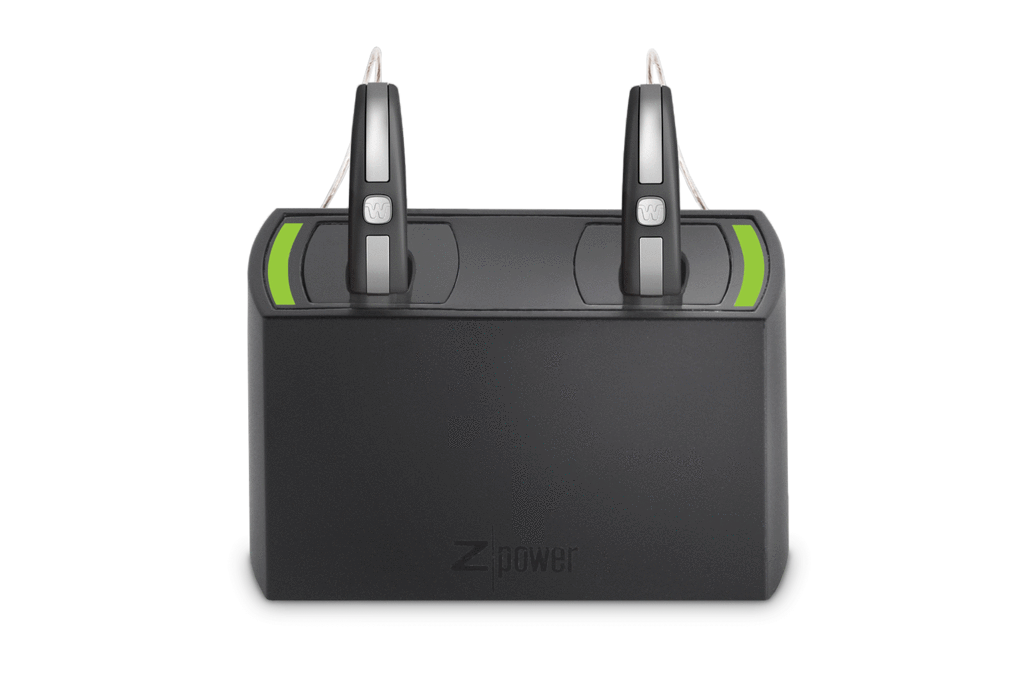
If you do not like the thought of disposable batteries, there is always the option to go green. With all the new technology that is available, they have created rechargeable batteries for hearing aids. Rechargeable hearing aids have many pros and cons like all new technology. When looking into the cost of hearing aid batteries, it makes sense to choose a rechargeable battery. Before you make your choice between rechargeable and disposable batteries, let’s compare the two.
Pros
The biggest benefits of rechargeable batteries are not having to change your batteries out every week. This is especially helpful to those who have dexterity issues, making it difficult to change the small hearing aid batteries. With the rechargeable batteries, all one has to do is to place the hearing aid on the charger. Rechargeable batteries give the hearing aid wearer the option of an all-day 24-hour charge so that they are not having to change a battery at an inopportune time. Another bonus to rechargeable batteries is that for every 1 rechargeable battery you would use around 100 disposable batteries. Which means fewer batteries in landfills because they are completely recyclable. Certain brands of the rechargeable hearing aids are made so they can be switched out with disposable batteries if needed. This is especially nice so that you are never missing out on moments by not having your hearing aids

Cons
Now let’s look at the cons of rechargeable batteries. Most of the rechargeable hearing aid batteries tend to only last around one year. With this being said, the wearer may have to purchase three to four new sets of rechargeable hearing aid batteries over the course of the hearing aid life. If you are a hearing aid wearer that streams a lot through your hearing aids the life of the battery may not last the full 24 hours. Certain types of rechargeable hearing aid batteries are completely enclosed and can not be switched out for disposable batteries if they are dead. Instead, you would have to charge your hearing aids or be without them.
The Final Cost
With all of these determining factors, it could be difficult to place an exact number on the cost of the hearing aid batteries with all of these different factors. Most hearing aid providers will add in the cost of the batteries to the cost of the hearing aids in their warranty and service plan. Depending on all these factors that we just listed plus the size of your hearing aid battery an average cost of batteries for one year is around $150-$30. Size 10 battery is going to be the most expensive because of the number of batteries an individual would go through in a year. The next size, 312 is an average of $80 per year with size 13 batteries close behind at $50 per year. The least expensive battery size is 675 because of the size of the battery it is able to stay charged longer than its counterparts. Make sure to speak with your hearing aid specialist to determine the right hearing aid battery for you.
Don’t let something so small as a hearing aid battery affect your hearing health. Let us get you connected to better hearing today. Let one of our professionals at Hearing Connect help get you on the road to better hearing today. We wouldn’t want you missing out on the best moments of your life because of a battery.